by Rachel Hur
The issue of sustainability in the design and construction industry isn’t news. Building material manufacturers are working to reduce embodied carbon, toxic chemicals, and increase performance, R-values and eliminate combustibility. In an age of advancing technology, the solutions to these problems seem to grow somewhat more complex.
History offers simple solutions, evidence in the still-standing buildings from thousands of years ago. Simple solutions such as hempcrete, a high performing, durable and ridiculously sustainable building material.
The Ellora caves, built around the 6-11th centuries AD. A Roman bridge in France, built in the 6th century. Miasa hemp house, built in 1698. These are some examples of hemp structures that still exist today.
Hempcrete is a bio-composite building material, consisting of hemp, lime and water – 3 cradle to cradle and naturally occurring components. Together they form a single building material, hempcrete, which offers a high thermal rating, high acoustic absorption, and high fire rating. It is non-toxic and non-combustible. It is flexible, breathable, and simple.

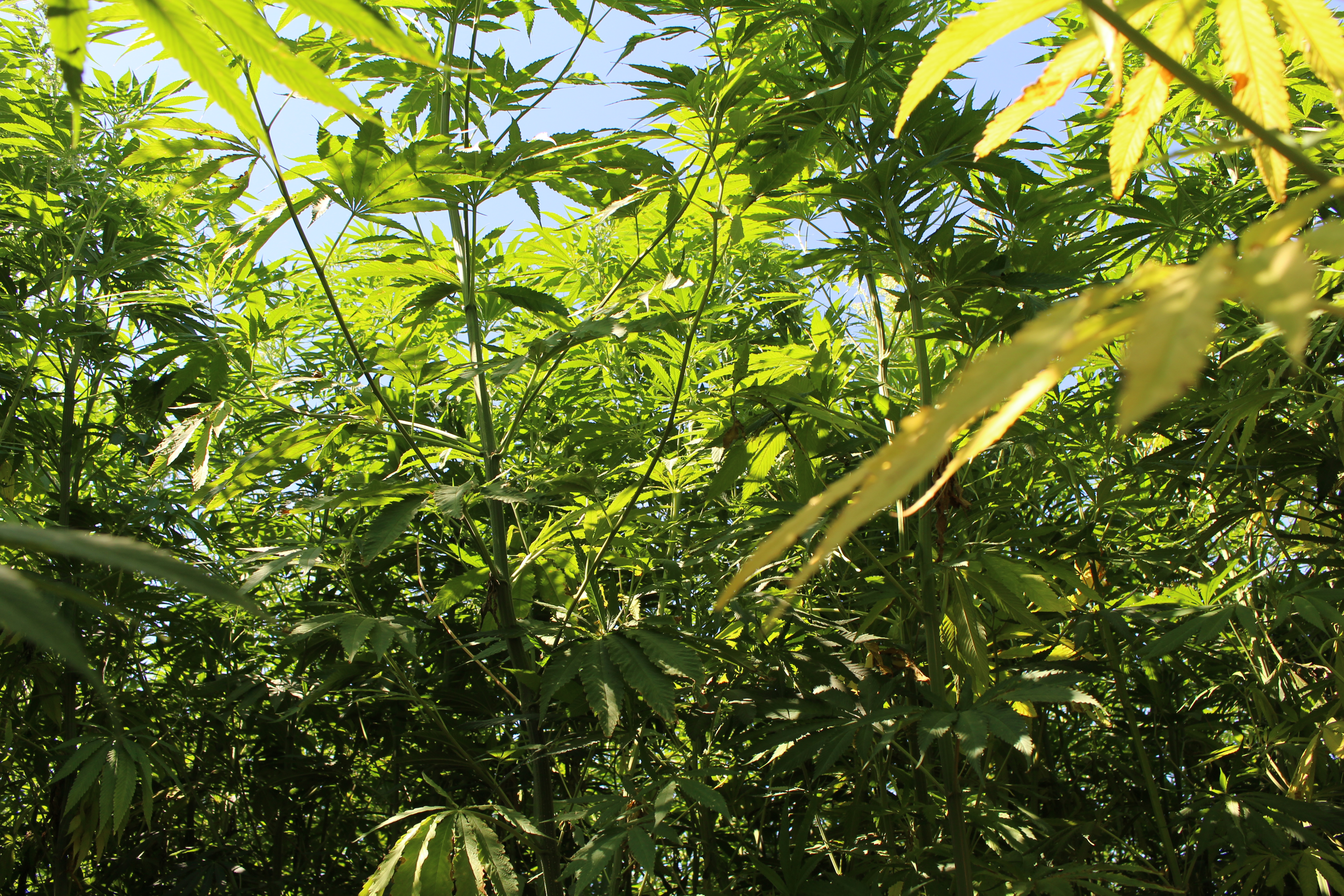
The hemp plant, or cannabis, has an amazingly wide range of versatility. Before it is even harvested, this little powerhouse is positively environmentally conscious by consuming less water and growing faster than regular trees used for timber building materials. It is ready to be picked and processed within 12 weeks, and can sometimes reach up to 5m tall.
Typically used in wall applications, hempcrete is commonly cast in-situ. The hemp, lime and water is mixed on site and then installed into formwork around a stud frame/wall structure, a similar process to in-situ concrete. While prefabricated blocks and panels are also available, cast in-situ hempcrete provides the best performance.
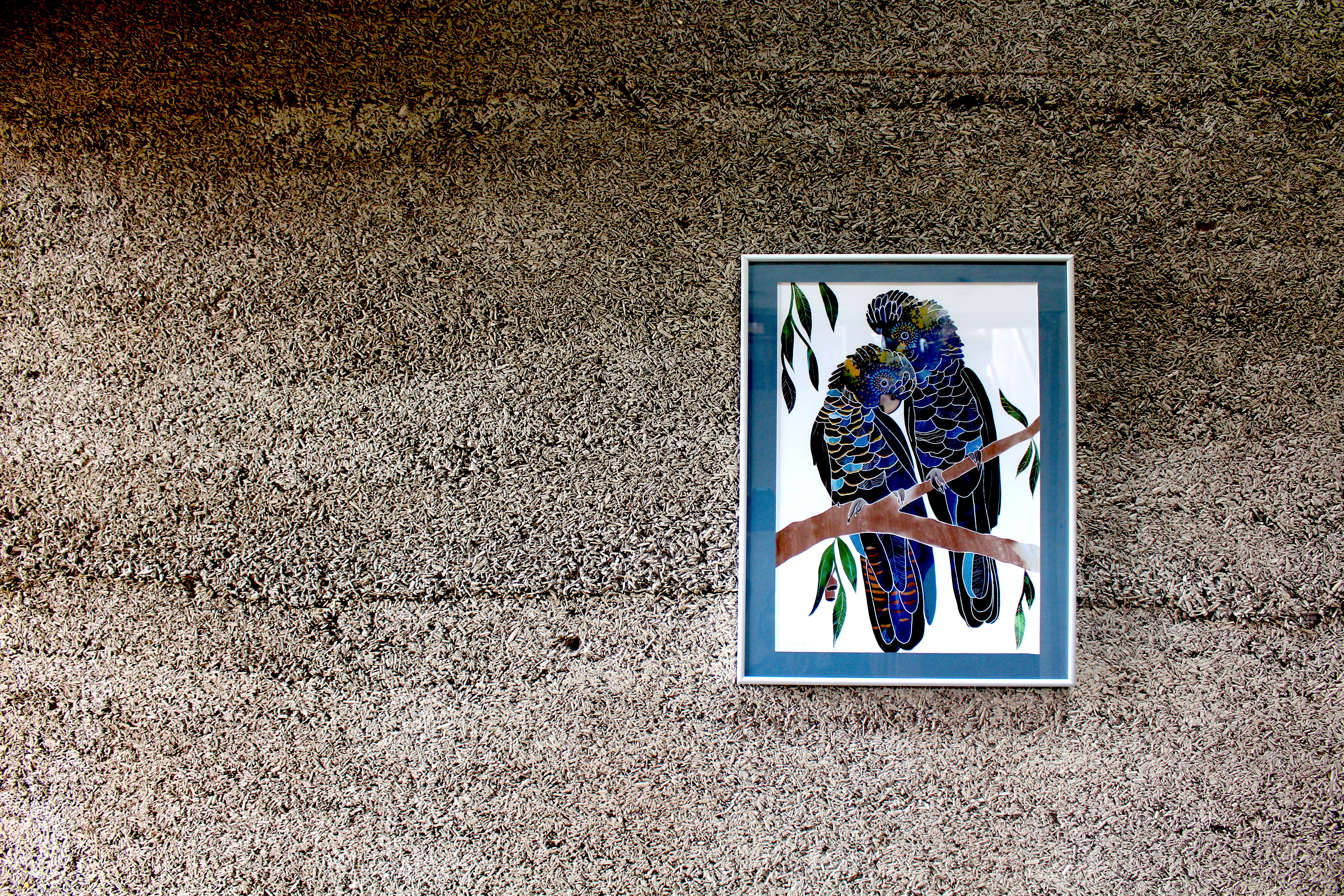
A seemingly laborious process, hempcrete pays a return by eliminating the need for wall insulation, sarking, cladding and lining as it is a monolithic wall system. As hempcrete begins its life as a wall around your building, you will experience stable internal temperatures due to the porous nature of the material which gives it incredible thermal mass. You won’t see mould on the walls, as the wall itself is breathable and vapour permeable, so it regulates its moisture. The air inside will feel cleaner and there won’t be any fumes, as the materials that make up the wall are all naturally occurring, meaning no volatile organic compounds.
In addition to the high performance of the system, over its lifetime, the lime in the hempcrete continues to sequester carbon as it tries to return to its limestone (CaCO3) state. Your building will literally be sucking carbon out of the environment.
The agenda of modern construction is driven by efficiency, less labour and cheaper builds which only seems to drive down the quality of buildings of the urban fabric that surround our lives. At the same time, there is a race to be the ‘greenest’, two concepts which battle and entangle each other. Hempcrete provides a simple solution to the issues faced by building materials that results in high quality buildings that are both socially and environmentally healthy.
Buildings don’t need any more plastic bandaids. They need to be able to breathe, endure, and support human life. Don’t you agree?
Credits:
Exposed hempcrete wall image – project by The Hemp Building Company
References:
Hempco Australia. (n.d.). Ancient and modern uses of hempcrete. [Blog post]. Retrieved from https://hempco.net.au/ancient-and-modern-uses-of-hempcrete/blog
Loria, K. (2016, March 17). Hemp walls saved India’s ancient Ellora Caves. Seeker. Retrieved from https://www.seeker.com/hemp-walls-saved-indias-ancient-ellora-caves-1771048709.html
Stanwix, W., & Sparrow, A. (2014). The Hempcrete Book: Designing and Building with Hemp-Lime. UIT Cambridge.
 atelier 115